

By Phil Styrlund and James Robertson, The Summit Group
This is part one of a three-part series. Parts two and three are available here and here.
Persistent, disruptive forces impacting profitable growth are intensifying and, as a result, companies in many industries face slower growth and accelerating commoditization of product and service margins.
Given marketplace complexity and dynamic shifts in how customers buy, traditional business models are threatened, and new strategies and capabilities for driving growth must be more intentionally developed. In this series of posts, we will outline a pragmatic yet powerful framework for co-creating solutions with strategic customers.
Traditional sources of growth such as internal research and development of products and services, pricing, and branding — in other words, the capabilities within the firm’s direct control — remain important, but they are no longer sufficient to sustain growth. Increasingly, leading firms are engaging with customers and partners along their value chain to co-create new sources of value by deepening insights, aligning goals, developing joint solutions, leveraging mutual capabilities and executing together.

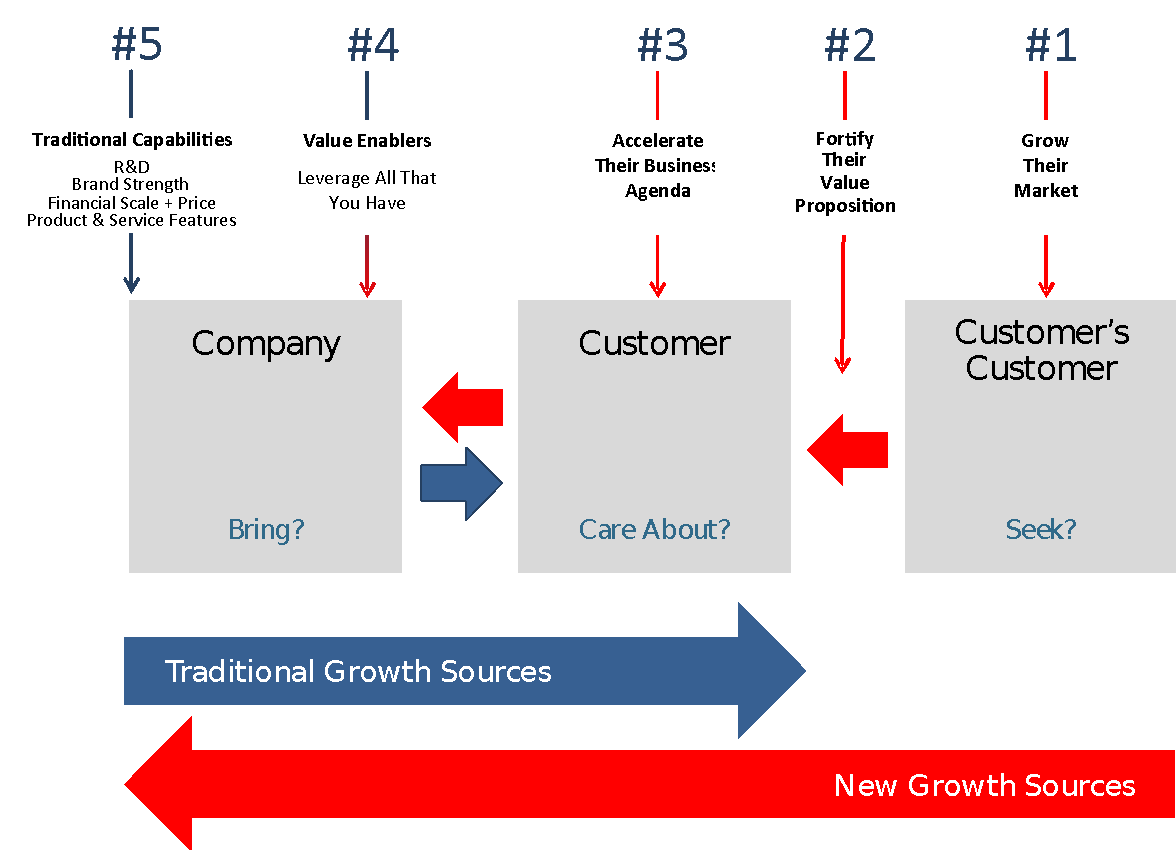
Figure 12: Sources of growth, both traditional/internal and new/external
Successful joint solution creation requires an iterative, non-prescriptive, collaborative operating system by integrating a framework, principles and tools, and distinguishing competencies that enable business alignment, customer-driven insights, collaborative relationship development and co-creation.
Companies should not underestimate the barriers to successfully developing joint solutions with customers. The legacy products, competencies, organizational structure, mindset and culture that enabled success in the past are likely to get in the way of collaboratively creating joint solutions and rethinking how value is created with customers. Creating joint solutions is a team sport. For many organizations, the level of collaboration and trust required — both with strategic customers as well as internally across the enterprise — is highly challenging. Yet the rewards for developing this capability can be substantial, with leading companies reporting growth at up to three times the market rate and double the progression of their business with other customers.


The easy growth is over. As marketplace change accelerates, complexity increases, commoditization intensifies and technology disrupts previously successful business models, companies seek new strategies to invigorate and sustain profitable growth — to survive and thrive in this “new normal” environment. Considering the seismic shifts that continue to impact how companies go to market and grow, creating joint solutions with customers has emerged as arguably the most compelling and powerful strategy for companies to accelerate and sustain profitable growth.
Beyond accelerating and sustaining growth, creating joint solutions enables companies to:
- Use the customer to guide, shape and accelerate company change and transformation. Possibly the “grandest why” is to leverage the customer as the central source of navigation for your company’s strategy and culture shift from “inside-out” to customer-driven.
- Distinguish how they engage with customers, creating value through the co-creation process, not only by what they sell. Done right, co-creation is a differentiating competitive strategy that’s hard to imitate.
- Elevate and sustain relevance by dialing up their agility to align with and collaboratively create solutions that impact their customers’ most critical clinical/technical, business and financial priorities, unmet needs and “CareAbouts.” Importantly, customer expectations are shifting fast — and there is little tolerance for “telling me what I already know” or not being highly relevant.
- Strengthen, expand and deepen strategic relationships, moving well beyond “preferred supplier” status to being seen as trusted co-innovators and business advisors.
- Create and sustain mutual value beyond the product by developing new revenue streams, developing new business models, reducing costs and improving efficiencies. Paradoxically, leading companies find that as they create value beyond the core product, sales of core products and services increase. Also, by quantifying and communicating value beyond the product, companies counter commoditization and price pressure. While price remains important, it need not be the only factor.
- Innovate more effectively by bringing new-to-company ideas, capabilities and insights that result in new products, services and solutions.
- Mitigate risks inherent in traditional innovation by reducing market access and demand uncertainty.
- Accelerate entry into new markets.
- Expand value and impact by replicating, cascading and scaling to other customers and new accounts.
As one respondent to the most recent SAMA “Report on Current Trends and Practices in Strategic Account Management” put it: “Only a true customer-focused approach that unites and aligns our company’s resources on co-value creation for both parties can differentiate us and sustain our growth in the medium to longer term. It’s also an approach that can dissolve internal barriers along the way, if strongly led by the CEO downwards.”
Ultimately, creating joint solutions is about increasing customer value and accelerating and sustaining profitable growth, which fuels the lifeblood of business. As compelling as the logic may be, though, creating joint solutions can be one of the toughest strategies to execute.
Creating joint solutions is the collaborative development and deployment of new products, services, solutions, processes and/or business models that impact mutually prioritized opportunities to create value, differentiation and profitable growth for the company, the company’s customers and the customer’s customer.
This post is part one of a three part series. Read parts two and three.

